Trump called.Balogun's red card vanished. Belgium never got to read the decision
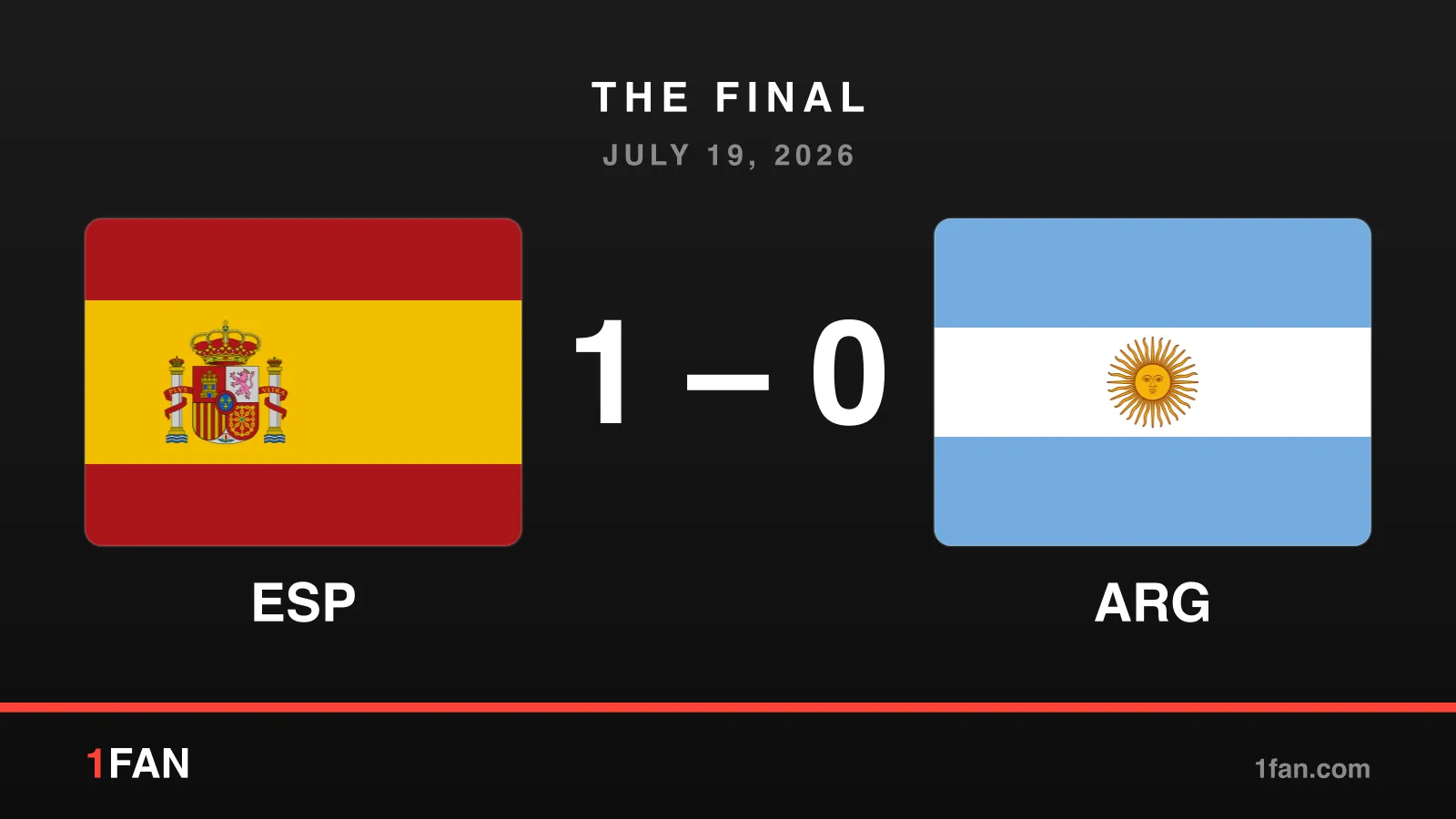
The last time a red card at this tournament didn’t cost a player the next match, the year was 1962. The player was Garrincha. Brazil talked his ban down to a warning, and he played the final.
That line held for sixty-four years. Through every era, every scandal, every superstar who wanted it bent.
It broke on Sunday. It broke for an American striker, days after the President of the United States called the head of the sport’s governing body about a foul.
Folarin Balogun plays tonight. And every American fan celebrating that sentence needs to sit with it for a minute, because this is not the gift it looks like.
The card was soft. That was never the point
Rewind to July 1 in Santa Clara. USA against Bosnia and Herzegovina, round of 32. Balogun tangles with Tarik Muharemovic going for a pass and comes down on the defender’s right ankle. The referee takes the long walk to the monitor. VAR review. Straight red. Serious foul play.
Honestly, the call was harsh. Two athletes collided at speed and nobody in the replay looks like a hitman. Half the planet said so in real time. The USA won 2-0 anyway, and we all told the same story afterward: the curse is broken, and now comes Belgium without our best striker. Three goals this tournament. The one American forward every defense actually plans around.
That was the deal. A soft red is still a red. Every team since 1962 has swallowed that exact injustice and moved on.
Then the phone rang.
One call, one vanished ban
The New York Times reported it first. President Trump called Gianni Infantino, the president of the sport’s governing body, and asked him to review the red card. Andrew Giuliani, the White House task force director for the tournament, worked the phones too. So did Commerce Secretary Howard Lutnick.
Trump didn’t hide any of it. “I asked for a review because I didn’t think it was a foul,” he said. “I thought it was two great athletes that crashed into each other and got entangled.” He added that he can’t tell Infantino what to do, and that he doesn’t believe Infantino made the decision himself.
On Sunday the governing body announced the ban was suspended under Article 27 of its disciplinary code, with a one-year probation attached.
Article 27. Translation: the house un-punished the host nation’s best striker, on a rule almost nobody had heard of, right after the host nation’s president asked.
Wayne Rooney called it “an absolute disgrace.” Gary Neville said it “absolutely stinks.” European football’s governing body, an organization that has never met a referee controversy it wanted to touch, said this one “crossed a red line” and called the decision “unprecedented, incomprehensible and unjustifiable.”
What they did to Belgium is the real scandal
Set the foul aside. Watch the process.
Belgium’s federation wrote on Sunday asking for two things: a copy of the decision and an explanation of how it was reached. That’s the minimum any team on Earth would ask.
The governing body’s answer was to declare Belgium’s letter an official appeal, appoint a judge, and give the Belgians hours to argue against a ruling nobody had shown them. Belgium points out the body’s own rulebook says an appeal only becomes admissible after the reasoned decision has been communicated. They were handed a courtroom, a clock, and no case file.
By Monday morning the federation said it had “still not received any decision or any explanation” and had “no alternative but to challenge the player’s eligibility for the upcoming match.”
It gets pettier. Belgium says the standard briefing slide about automatic red-card suspensions, shown before each of their first four matches, quietly disappeared from the prematch presentation for this one. They asked about it, in writing and in person. Silence.
Coach Rudi Garcia needed one line for all of it. “I didn’t know that […] the 5th of July is actually the first of April. It’s April Fools.”
Same weekend, another VAR red. Guess whose ban stands
Jarell Quansah lunged into Jesus Gallardo at the Azteca this weekend and took the same walk-to-the-monitor, straight-red treatment. England won 3-2. He misses the quarterfinal against Norway, no arguments, no review.
Nobody in London called anybody.
Two soft reds in one weekend. One erased by Article 27, one served in full. The difference between them was never the fouls. It’s the phone.
Tonight in Seattle, the asterisk kicks off at five
Here’s the part nobody in a USA shirt wants to hear. Balogun playing tonight is worse for this team than Balogun suspended.
Suspended, tonight was a fair fight with a clean story either way. Win without your striker and the run means more, not less.
Now every outcome ships pre-stamped. Balogun scores, and the world calls it the goal that got dialed in from Washington. The USA wins, and the quarterfinal carries an asterisk in half the papers on the planet. Christian Pulisic says Balogun has “a big smile on his face,” and you get it, and it changes nothing about that math.
Belgium arrives with something better than a game plan. A grievance. Their federation spent the weekend being ignored. Their coach is doing April Fools material at press conferences. The USA got its striker back and handed eleven opponents a cause in the same envelope.
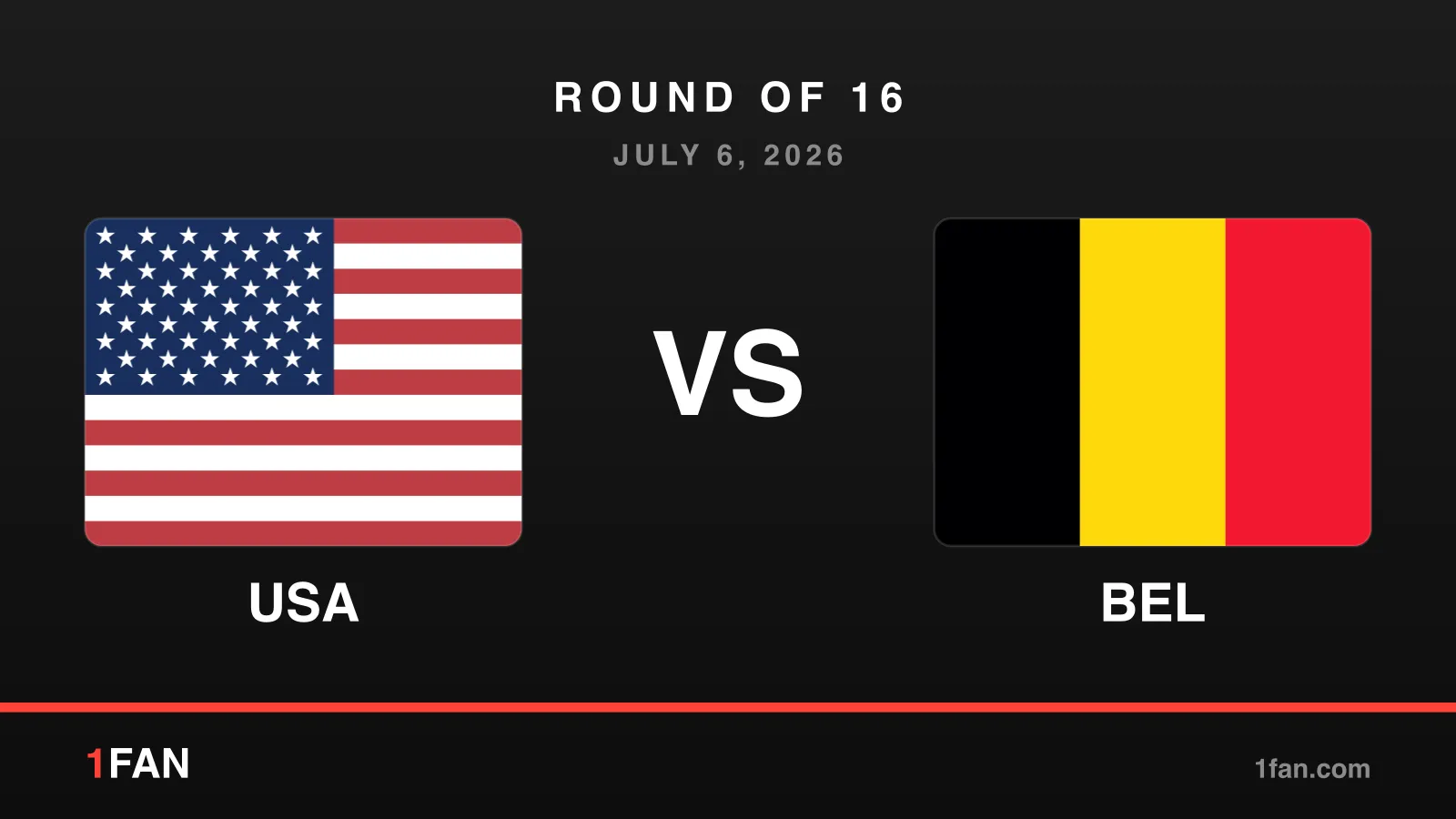
Kickoff is 5pm Pacific at Seattle Stadium, with the USA chasing its first quarterfinal in 24 years. Five days ago this team had the best story in the tournament, the curse-breakers with nothing to lose. Now the only way out is to win so loudly that nobody gets to mention the phone call after.
Somebody in Washington thought he was doing our team a favor. He took away the one thing a run like this actually needs. A result nobody can argue with.