MLS suspended Messi for resting.Twelve months later, resting is the rule.
Twelve months ago, MLS suspended Lionel Messi for skipping its All-Star Game.
On July 29, in Charlotte, the league plays its 2026 All-Star Game. Messi is skipping it again, per ESPN.
The punishment this time: nothing.
Not because Messi changed. Because the rule did.
What changed between the two skips?
A signature.
Before this season, per ESPN, MLS and its players’ union agreed that anyone coming out of the summer’s world tournament would get “individual conversations with each player to determine the appropriate rest and return to training and competition timeline.”
Translation: we are never benching this man for resting again.
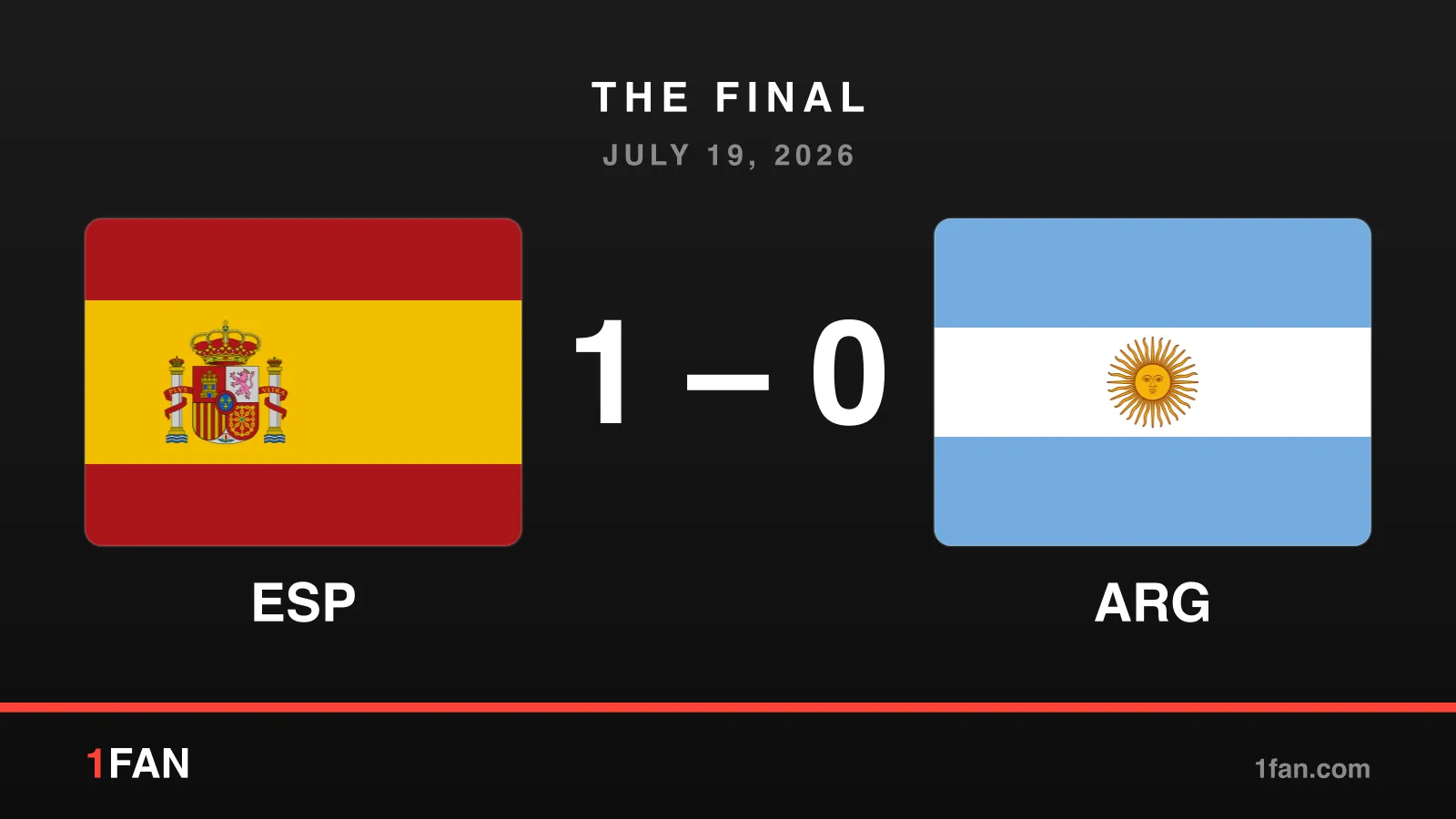
Messi played the tournament final on July 19. So did teammate Rodrigo De Paul, per ESPN, and both sit out Charlotte with the league’s blessing. De Paul hasn’t featured in Inter Miami’s recent league matches either. FIFPRO, the global players’ union, had already secured mandatory 21-day rest windows at season’s end, per ESPN.
Same player. Same game. Same decision.
In July 2025 it cost him a ban. In July 2026 it’s policy.
Why was Messi suspended in 2025?
Because the rulebook said so, and no one had ever been bigger than the rulebook before.
Per ESPN, the old rule was simple: skip the All-Star Game without league approval, and you sit your club’s next match. Messi and Jordi Alba skipped the 2025 edition in Austin. Both were banned one game.
Guess how much longer the long-standing policy stayed standing.
Inter Miami co-owner Jorge Mas, per CNN, called the punishment “draconian,” said Messi was “extremely upset,” and put the club’s confusion on the record: “They don’t understand why not attending an exhibition match leads directly to a suspension. That’s not right.”
Commissioner Don Garber defended the long-standing policy, then promised, per ESPN, that the league would “take a hard look” at the rule.
You are reading what the hard look decided.
Who actually paid for that rule?
Not Messi.
The 2025 suspension landed on Inter Miami’s next home match, against FC Cincinnati at Chase Stadium, per ESPN. Think about who was actually in that building.
You know this ticket. You’ve bought this ticket. Booked the night the schedule dropped, paid the Messi premium, told your kid he was about to watch the best player alive. Then the league benched him. For resting.
Guess who never got a refund.
That’s the part worth being angry about from 2025, and it’s the same part that makes 2026 the right call. The rule never protected fans. It transferred pain to them and called it discipline.
Is Messi wrong this time?
No. And I wanted him to be, because it’s a better story.
The man played the biggest final in the sport on July 19, per ESPN. There’s a formal agreement, signed before the season, covering exactly this situation. The players’ union fought for those 21 days of rest. Charlotte gets Yannick Bright, Andrés Cubas, Guilherme and Philip Zinckernagel instead, per ESPN, and every one of them has fresher legs than a man ten days removed from the final whistle of the sport’s biggest match.
The 2026 skip is clean.
It’s the 2025 ban that curdles in hindsight. The league benched a resting player, heard its own club call it draconian, and then wrote the paperwork that makes the same act legal. No apology. No refund. A quiet rewrite.
What happens to the next player who skips?
Here’s the question the league would rather not take.
The exemption that covers Messi is specific, per ESPN: it was negotiated before the season, with the union, for players coming out of the summer tournament. The reporting describes an exemption for tournament players. It does not describe a repeal.
So picture a July down the road. A worn-down veteran on a bottom-third team, no summer final in his legs, skips the exhibition because his hamstring won’t heal. Does he get the individual conversation and the tailored rest timeline?
Or does his own building serve the ban for him?
Leagues don’t write rules for their best player. They write rules, and then one day they meet their best player. What MLS learned between the two Julys is what every league learns eventually: a rulebook is only as strong as the biggest name it has ever been applied to.
MLS applied its rule to the biggest name it will ever have.
Once.
While 21,044 people in Fort Lauderdale were eating a Messi-less night in July 2025, per FC Cincinnati’s match report, the league was already moving toward the agreement that would have kept him on the field.
That’s the whole story of star power in one rulebook.
P.S. Garber promised a hard look at the rule. He kept the promise. The rule blinked first.