Two ex-NBA players found the one word the WNBA never defined
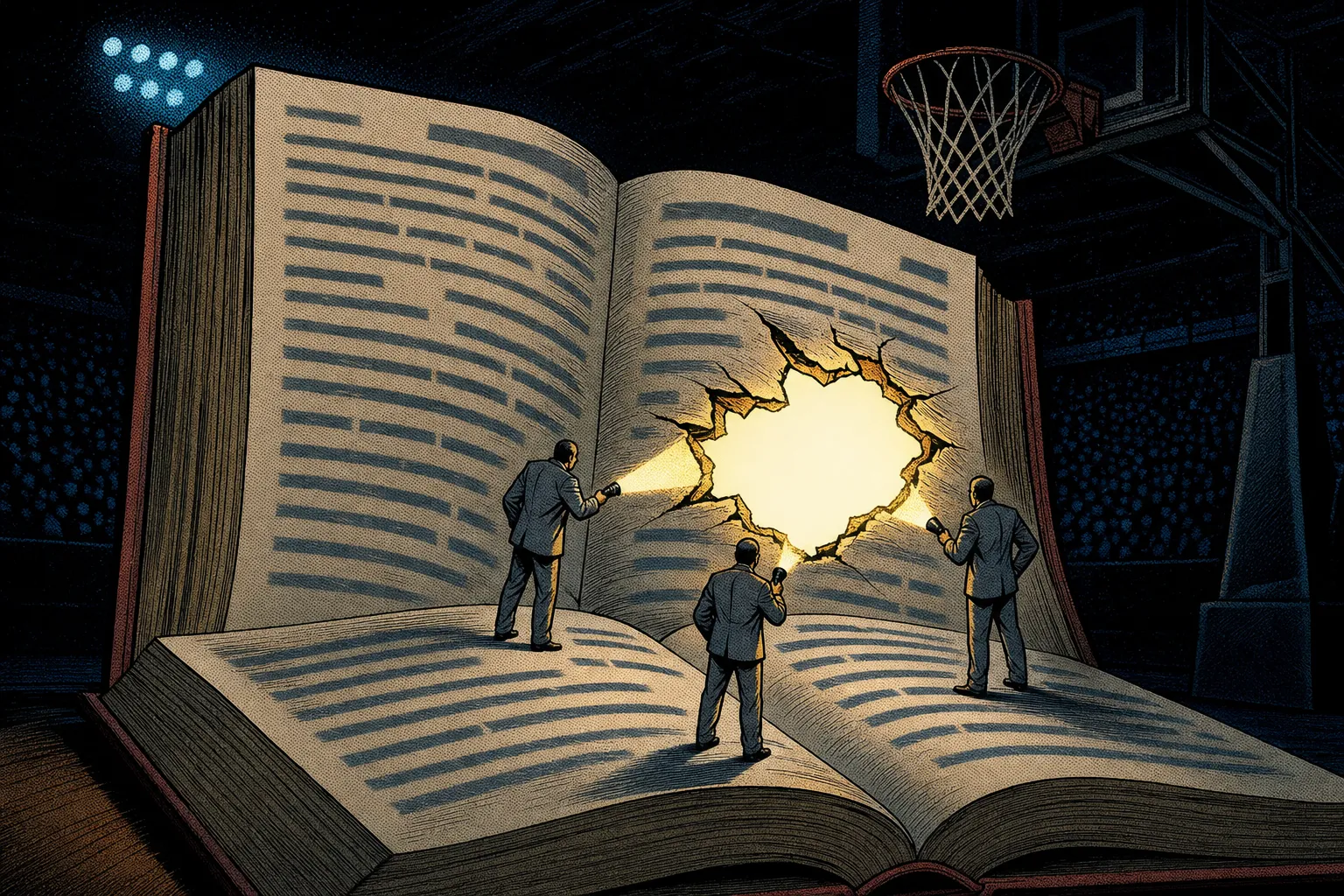
Here is the sentence, as the Associated Press quotes the league’s collective bargaining agreement.
“Only players who are women are eligible to play in the WNBA.”
One word in that sentence carries the entire league. And the operative 2026 agreement, all 409 published pages of it, never defines that word. No definition of “woman.” Nothing on gender identity. Nothing on sex assigned at birth.
For years, nobody had to say it out loud. Then two ex-NBA players said it out loud.
What happened on August 7
Enes Kanter Freedom posted his announcement on Instagram on August 7. “I’m officially declaring myself a WNBA prospect,” he wrote. “If simply declaring who you are is all that’s required, then I meet every single requirement necessary to compete in the WNBA.”
Royce White, a former first-round pick, followed on video: “I’m transgender. I’m a woman.” The same video carries the fine print: “sometimes identifying as a woman for purposes of basketball, professional basketball.” Then the payoff line: “So I’ll be declaring for the WNBA draft in 2027 as well.”
Everyone covering it reached for a different word. The Advocate called it a stunt. CNN filed it under protest. The league put “bad-faith” in an official statement. Pick your poison. Per ABC News, the declarations seemed designed to force the league to define its own eligibility rules.
The same Friday, commissioner Cathy Engelbert sent a memo to team presidents and general managers, per Yahoo Sports. The topic, she wrote, is “complex.” The league would set up more discussions and “listening sessions.”
That is a very long way of saying nobody upstairs wants to write the second sentence.
What the task force did instead
The league’s anti-hate task force met on Wednesday, August 12. Virtually. The agenda, per the league’s readout: the vitriol aimed at players all season, and ongoing transgender athlete discussions.
New eligibility language produced: none.
The official statement, in full flight: “There are no immediate eligibility matters affecting the WNBA, and we strongly denounce the bad-faith efforts to use these topics to demean or marginalize others.”
The league is right about the bad faith. It still did not touch the word. Five days between the memo and the meeting, and the league came back with a statement about tone.
Now the paperwork question everyone skips. The last published deal ran a whole eligibility article behind that famous sentence. Age rules. College rules. Limits on how many drafts a player can enter. Whether either declaration survives that fine print is a lawyer fight nobody has ruled on. Nobody is reporting that either declarant is draft-eligible. Read that sentence twice.
The word is a different problem. The word has no fine print at all. Sportico’s legal analysis says the vague rule invites exactly this kind of legal argument.
Who actually pays for this
Here is the part the declarations will never say on camera.
There has never been a transgender woman on a WNBA roster. Not once, per the Associated Press. The crisis being protested does not exist in the standings. It exists in the comment sections. And the people living under those comment sections are not two retired pros with camera crews. They are trans kids reading the replies.
The players’ association aimed its answer at them, standing against hate toward trans people, per CNN. Lynx coach Cheryl Reeve made the same point in July without a press release. She coached a game against Indiana in a shirt reading “Trans Kids Belong,” per CBC. And Sophie Cunningham lit the first fuse. Her late-July ESPN profile comments opposed trans athletes in women’s sports. In early August she said she wants to “get back to basketball,” per ESPN.
So the league sits between two prices. Write a definition and the lawyers arrive by lunchtime. Write nothing and every news cycle belongs to whoever reads the rulebook the slowest.
This league has seen its rulebook lose a fight with reality before. Caitlin Clark’s eighth technical was reported rescinded in under two hours this month. And when Clark sat with a quad injury in 2025, the audience walked. Fever national viewership fell from 1.81 million to 847,000, per Yahoo Sports. Rules bend where the stakes get expensive. The 2027 draft is already staring at the league.
One sentence. One missing word. And a whole league hoping nobody asks the question again before it writes an answer.
Somebody already asked twice.